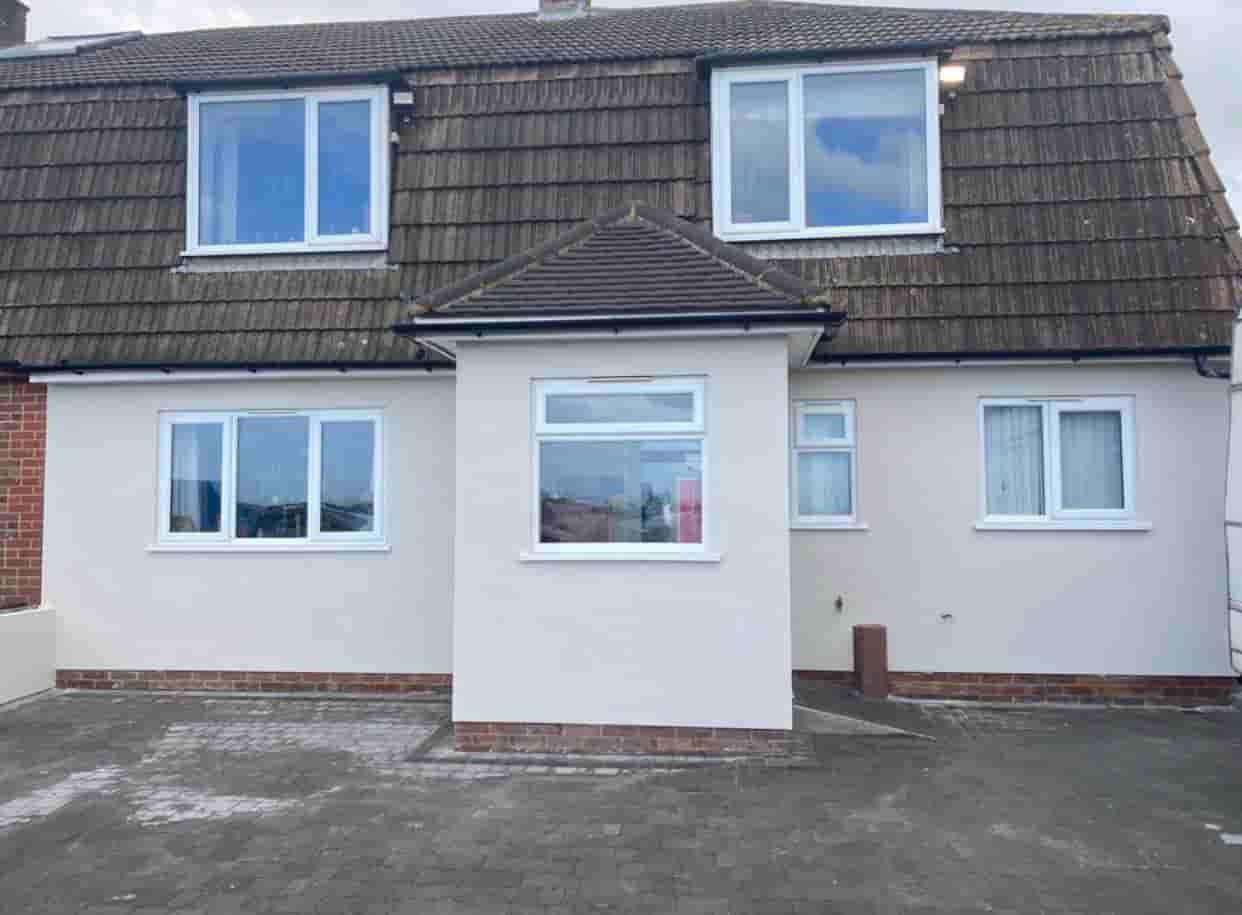
What Homeowners Should Check After a Period of Strong Winds
Strong winds can place considerable pressure on a property’s roof, particularly around exposed edges, ridges, chimneys and other vulnerable areas. Even when there is no obvious damage from the ground, high winds can loosen roofing materials, displace tiles and affect components that help keep the building watertight.
After a period of unsettled weather, homeowners in Hitchin, Hertfordshire, should take time to check for visible signs of damage. Identifying problems early can help prevent rainwater entering the property and reduce the risk of further deterioration. JYT Roofing Hitchin provides professional roofing repairs to help identify and address wind-related damage.
Important Areas to Check After Strong Winds
Missing, Slipped or Cracked Roof Tiles
Roof tiles are among the components most likely to be affected by strong winds. Gusts can lift loose tiles, shift them out of position or cause already weakened materials to crack.
From a safe position on the ground, look for gaps in the roof covering, uneven rows of tiles or pieces of roofing material that may have fallen nearby. Missing or displaced tiles can expose the underlay and roof structure to rainwater, so visible damage should be assessed promptly.
Do not attempt to climb onto the roof to inspect or reposition tiles yourself.
Ridge Tiles and Hip Tiles
Ridge and hip tiles are positioned along the highest and angled sections of a roof. They are exposed to wind from several directions, making secure fixings and sound mortar particularly important.
After strong winds, look for ridge tiles that appear uneven, displaced or missing. You may also notice broken mortar around the joints. Loose ridge tiles can become a safety concern as well as leaving vulnerable parts of the roof exposed to the weather.
Roof Flashing Around Chimneys and Junctions
Flashing creates a weather-resistant seal where the roof meets features such as chimneys, walls and roof valleys. Strong winds can lift weakened flashing or worsen existing gaps.
Check from the ground for sections that appear loose, bent or out of position. Inside the property, look for fresh damp patches around chimney breasts, upper walls or ceilings near roof junctions. These signs may indicate that water has found a route into the building.
Gutters, Fascias and Soffits
Roofline components can also be affected by strong gusts. Gutters may become loose, brackets can shift and fascia or soffit boards may develop gaps or cracks.
Look for sections that are hanging unevenly, detached from the building or visibly damaged. Check whether gutters appear to have moved out of alignment, as this can affect how effectively rainwater drains away from the roof.
Addressing these issues helps prevent water overflowing onto external walls and other vulnerable areas.
Flat Roof Coverings
Flat roofs can experience wind damage where the covering or its edges have become weakened. Strong gusts may lift loose membrane edges, disturb coverings or worsen existing splits.
If your property has a flat roof, look for visible changes from a safe vantage point. Inside, check for damp patches or water staining beneath the roof area. Any suspected lifting or damage should be assessed professionally rather than approached directly.
Signs of Water Ingress Inside the Property
Not all wind-related roof damage is immediately visible externally. Rain driven beneath displaced tiles or damaged flashing can enter the roof space and gradually affect ceilings, walls and insulation.
After strong winds accompanied by rain, check the loft from a safe position if it is accessible. Look for damp insulation, wet timber, water staining or unusual patches of moisture. Also inspect upstairs ceilings for fresh marks, bubbling paint or peeling plaster.
If water is entering the property, arrange an assessment promptly to identify the source and prevent further damage.
Fallen Debris and Nearby Roof Damage
Branches, broken twigs and other debris can strike roofing materials during periods of strong winds. Even relatively small impacts can crack tiles or damage roofline components.
Check the ground around your property for fallen debris and look for any obvious changes to the roof’s appearance. If a tree branch has struck the roof, a professional inspection can establish whether the impact has caused damage that is not visible from below.
When to Arrange a Professional Roof Inspection
Some roofing defects are difficult to identify without specialist knowledge. A tile may appear to be in place while its fixing has loosened, or a small gap around flashing may allow water to enter during the next period of rainfall.
JYT Roofing Hitchin can inspect suspected wind damage, identify vulnerable areas and recommend appropriate roofing repairs. A professional assessment is particularly useful when you notice missing materials, loose ridge tiles, recurring leaks or damage that cannot be clearly identified from the ground.
Conclusion
Checking your roof after strong winds is an important part of maintaining your property’s protection. Missing tiles, damaged flashing, loose gutters and signs of water ingress should never be overlooked, even when the damage initially appears minor.
If you suspect that recent strong winds have affected your roof, contact JYT Roofing Hitchin for professional assistance in Hitchin, Hertfordshire. Prompt attention can help identify defects, address damage and restore the roof’s ability to protect your home.
Call us on: 01462 418 494
Click here to find out more about JYT Roofing Hitchin
Click here to complete our contact form and see how we can help with your roofing needs.