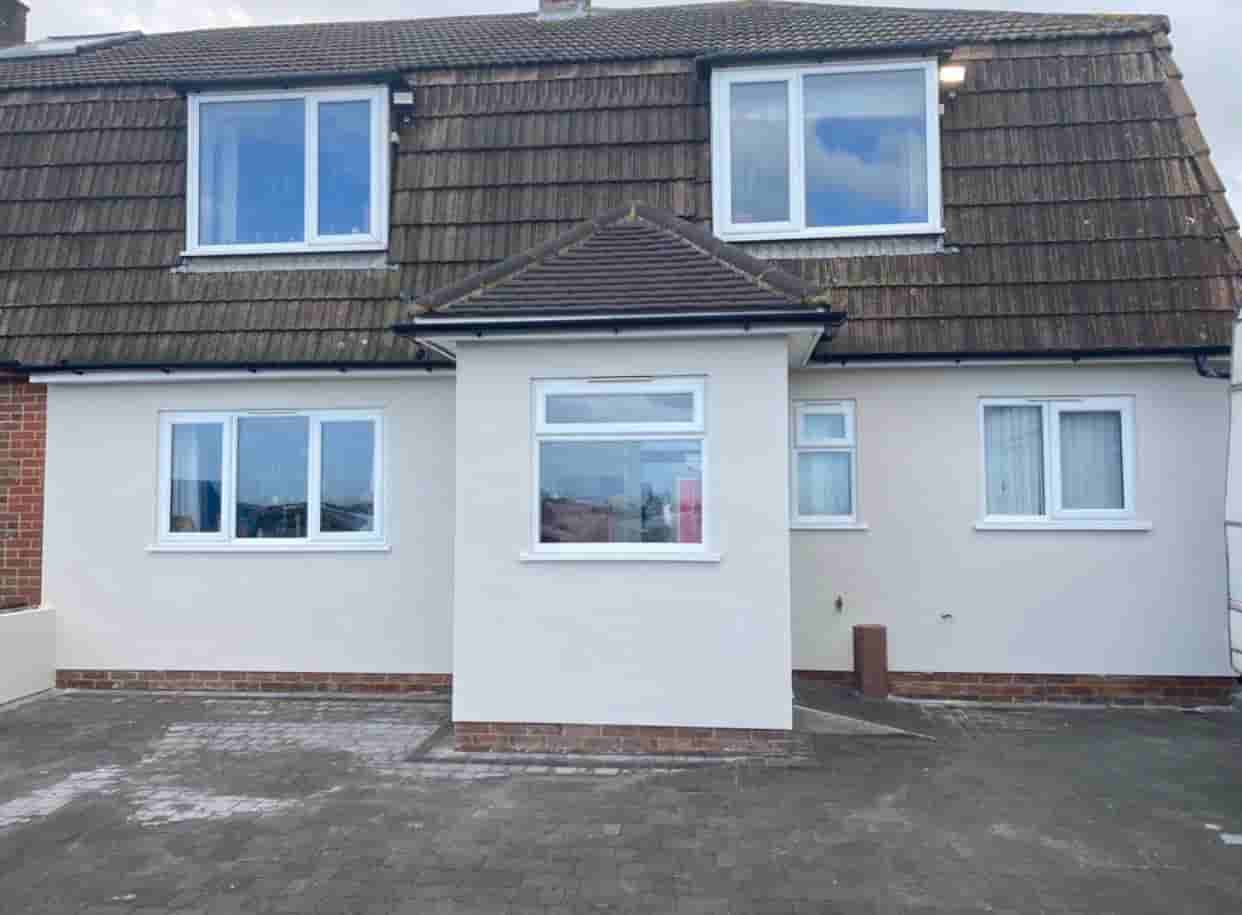
What Are the Warning Signs That a Garage Roof Needs Repair?
How to Recognise Garage Roof Problems Before They Become More Serious
Garage roofs are often checked less frequently than the main roof of a property. As a result, small defects can remain unnoticed until water begins to enter or the roof covering visibly deteriorates.
Recognising the early signs of trouble can help prevent moisture from damaging the roof deck, supporting timbers, internal finishes and belongings stored inside the garage. Whether the roof is flat, felt-covered, tiled or pitched, changes in its appearance or performance should be assessed promptly.
Water Stains Inside the Garage
Brown marks, dark patches or damp areas on the ceiling and walls are among the clearest signs of water ingress. Even if the affected area feels dry when discovered, staining usually means moisture has entered at some stage.
The visible mark may not be directly beneath the external defect. Water can travel along the roof deck, underlay or supporting timbers before reaching the interior. A professional assessment is therefore needed to trace the leak back to its actual source.
Dripping During or After Rainfall
Active dripping indicates that the roof is no longer providing a reliable barrier against rain. The timing of the leak can offer useful clues:
- Leaks during wind-driven rain may indicate a displaced tile or weak edge
- Dripping after prolonged rainfall may suggest gradual saturation
- Leaks during heavy downpours can point to restricted drainage
- Water appearing after rain has stopped may be draining from a concealed area
Placing a container beneath the drip can limit immediate disruption, but this should only be treated as a temporary measure until the roof is inspected.
Cracks, Splits or Blisters in the Covering
Flat garage roof coverings can become brittle as they weather. Small cracks may widen over time, while blisters can develop when air or moisture becomes trapped beneath the surface.
Raised, split or wrinkled sections are not merely cosmetic. They can weaken the waterproof layer and make it more vulnerable to further deterioration. Pressing down a blister or applying surface sealant may conceal the symptom without addressing trapped moisture or a damaged roof deck underneath.
Standing Water on a Flat Garage Roof
Some water may remain briefly after rainfall, but persistent pools suggest that the roof is not draining effectively. This may result from inadequate falls, blocked outlets or movement within the supporting structure.
Standing water keeps the roof covering wet for longer and places added pressure on joints, seams and weak areas. Repeated ponding may eventually contribute to surface deterioration and water ingress.
Loose, Cracked or Missing Tiles
On a pitched garage roof, damaged or displaced tiles can expose the underlay and surrounding components to rain. Even a tile that has moved only slightly may create an opening during windy conditions.
From ground level, look for uneven tile lines, visible gaps or broken pieces around the garage. Do not climb onto the roof, as loose materials and wet surfaces can make access unsafe.
Damaged Edges and Roof Junctions
Garage roof problems frequently begin at vulnerable details rather than in the middle of the covering. Edges, corners and connections to adjoining walls must prevent water from moving beneath the surface.
Warning signs include:
- Loose or lifting perimeter material
- Cracked mortar at roof edges
- Gaps where the roof meets a wall
- Split or displaced flashing
- Dampness concentrated near a junction
- Staining below the roofline
These areas should be examined as part of any thorough garage roof inspection.
Sagging or Uneven Sections
A visible dip in the roofline may indicate that the deck or supporting structure has moved. On a flat roof, low areas can also collect water and place greater strain on the affected section.
Sagging should not be ignored, particularly if it is accompanied by dampness, cracking or soft areas. The condition beneath the outer covering may need to be assessed before an appropriate repair can be recommended.
Moss, Debris and Blocked Drainage
Leaves, moss and other debris can hold moisture against the roof surface and restrict gutters or outlets. Water may then back up towards edges and junctions that are not designed to remain submerged.
Regularly observing drainage points from a safe location can help identify build-up before it causes a problem. If vegetation returns quickly or is concentrated in one area, it may indicate poor drainage or a persistent low spot.
Deterioration Around Previous Repairs
An older patch does not always remain effective indefinitely. Changes in colour, lifting edges, fresh cracks or dampness around a repaired section may indicate that water has found another route beneath the covering.
Recurring leaks can also suggest that the original repair addressed the visible damage without correcting an underlying issue such as movement, trapped moisture or defective drainage.
Musty Odours and Persistent Dampness
A musty smell inside the garage can be an early indication of moisture, even when no active leak is visible. Check for damp timbers, discoloured surfaces, wet insulation and condensation on stored items.
Moisture should be investigated rather than assumed to be harmless condensation. Roof leaks, restricted ventilation and damp materials can produce similar symptoms, and more than one issue may be present.
Why Professional Inspection Is Important
Several garage roof defects can look similar from the ground. An inspection should assess the covering, drainage, edges, junctions and visible supporting structure together.
For properties in Hitchin, Hertfordshire, this methodical approach helps determine whether the problem is localised or whether deterioration affects a larger part of the garage roof. It also allows the repair to address the cause rather than providing only a temporary surface patch.
Conclusion
Leaks, standing water, cracked coverings, loose tiles, damaged edges and sagging sections are all warning signs that a garage roof may need repair. Musty odours and recurring dampness should also be investigated, even if the external damage is not obvious.
If you have noticed any of these symptoms, JYT Roofing Hitchin can assess your garage roof and recommend suitable repair work. Contact the team to arrange an inspection and help prevent a developing defect from causing further damage.
Call us on: 01462 418 494
Click here to find out more about JYT Roofing Hitchin
Click here to complete our contact form and see how we can help with your roofing needs.