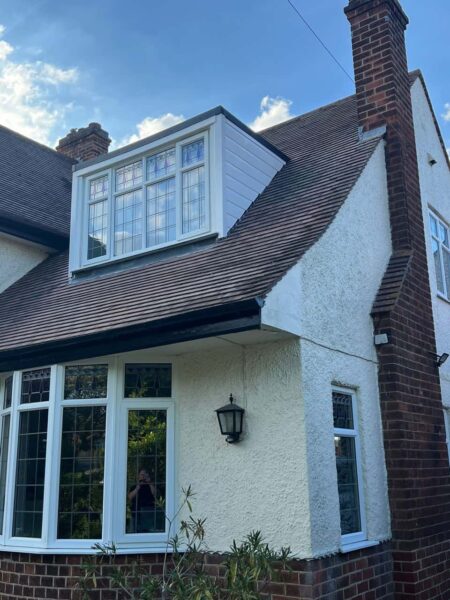
Chimney Repairs: Common Roofing Problems Around Chimneys and How to Fix Them
Chimneys are exposed to rain, wind and changing temperatures throughout the year, making them a vulnerable point on many roofs. Over time, worn mortar, damaged flashing and deteriorating masonry can allow water to enter the property. Even a small defect around a chimney can lead to damp patches, damaged roof timbers and problems with internal ceilings if it is not addressed.
For homeowners in Hitchin, Hertfordshire, understanding common chimney-related roofing problems can help identify damage early and prevent minor defects from becoming more extensive. Knowing what to look for also makes it easier to arrange the right repairs and maintain the roof’s weather resistance.
Damaged or Deteriorating Chimney Flashing
Flashing forms a watertight seal where the chimney meets the roof covering. It directs rainwater away from this junction, helping prevent moisture from entering beneath the tiles or other roofing materials.
Over time, flashing can become loose, cracked, corroded or detached. Movement between the chimney and roof can also weaken the joints, creating gaps through which rainwater can penetrate.
Typical warning signs include damp patches near the chimney breast, water staining in the loft or leaks that become more noticeable during heavy rainfall.
The appropriate repair depends on the condition of the flashing and the surrounding materials. Loose sections may need to be secured, while damaged flashing may require replacement. The joints should also be checked to ensure that water is directed away from the roof junction effectively.
Applying sealant over the visible gap is not always a lasting solution, particularly if the flashing itself has deteriorated.
Cracked or Missing Mortar Between Bricks
The mortar joints between chimney bricks are exposed to weathering and temperature changes. As mortar ages, it can crack, crumble or fall away, leaving gaps that allow moisture to penetrate the masonry.
Water entering these joints can gradually worsen the deterioration, particularly when damp materials are exposed to repeated temperature fluctuations. Loose bricks may also indicate that the chimney requires more extensive attention.
Where the damage is limited to the mortar joints, repointing may be appropriate. This involves removing deteriorated mortar and replacing it with a suitable material that provides a sound, weather-resistant finish.
If bricks have become loose or damaged, they may also need to be repaired or replaced. A professional inspection can establish whether the problem is confined to the joints or whether the chimney’s stability has been affected.
Damaged Chimney Pots and Flaunching
Chimney pots sit at the top of the chimney and help provide an outlet for smoke and gases where the flue remains in use. The mortar or concrete bedding around their bases, known as flaunching, helps secure the pots and directs rainwater away from the top of the stack.
Cracked flaunching can allow water to enter the masonry, while loose or damaged chimney pots may become unstable. These defects can develop through ageing, weather exposure or deterioration of the materials.
Repairs may involve renewing damaged flaunching, securing or replacing a defective chimney pot, or repairing the surrounding masonry. Any work involving a chimney connected to an appliance should take account of its function and ventilation requirements.
Because these components are located high above the ground, they should be assessed and repaired by a suitably qualified professional rather than inspected from the roof without appropriate safety measures.
Water Leaks Around the Chimney Breast
Damp patches on ceilings or walls near a chimney breast can sometimes indicate a roofing defect. However, the source is not always immediately obvious because water may travel along internal structures before becoming visible.
Possible causes include failed flashing, porous masonry, deteriorated mortar or damaged roof coverings around the chimney. In some properties, condensation or problems associated with an unused flue may produce similar symptoms.
The key to an effective repair is identifying where the moisture originates. Repairing internal plaster or repainting a stained wall will not resolve the issue if water is still entering through the roof.
A thorough assessment of the chimney, flashing and surrounding roof covering can help determine the cause and identify the appropriate corrective work.
Loose Roof Tiles Around the Chimney
Roof tiles surrounding a chimney can become cracked, displaced or damaged, particularly where the roof meets the masonry. If these tiles no longer overlap correctly, rainwater may pass beneath the roof covering.
The problem may also involve the underlay or supporting materials beneath the tiles. Consequently, replacing a visibly damaged tile may not be sufficient if water has already penetrated deeper into the roof structure.
Repairs may include replacing broken tiles, repositioning displaced sections and checking the surrounding flashing and underlay. Addressing related defects at the same time can help restore the integrity of the roof junction.
Why Prompt Chimney Repairs Matter
Small defects around a chimney can gradually lead to more significant roofing problems. Persistent water ingress may damage timber, reduce the effectiveness of loft insulation and cause internal finishes to deteriorate.
Regular visual checks from ground level can help identify warning signs, such as missing mortar, visibly damaged chimney pots or loose roofing materials. If you notice damp patches or suspect a leak, arranging an inspection promptly can help prevent further deterioration.
Avoid climbing onto the roof or attempting to repair chimney components yourself. Chimneys are often difficult to access, and loose masonry or unstable materials can present additional hazards.
Professional Chimney Repairs in Hitchin, Hertfordshire
Chimney problems can involve several connected components, so effective repairs require more than treating the most visible defect. Flashing, mortar joints, chimney pots and the surrounding roof covering should be considered together to establish the cause of the problem.
JYT Roofing Hitchin provides roofing repair services to help property owners address chimney-related defects and maintain a weather-resistant roof. By assessing the affected areas and identifying the work required, the team can help determine a suitable approach to restoring the roof’s condition.
If you have noticed damaged mortar, loose flashing or signs of a leak around your chimney, contact JYT Roofing Hitchin to discuss your roofing concerns and arrange an assessment in Hitchin, Hertfordshire.
Conclusion
Chimney-related roofing problems commonly include deteriorating flashing, damaged mortar joints, cracked flaunching, leaking roof junctions and displaced tiles. Although these issues may begin as minor defects, leaving them untreated can allow moisture to damage the roof structure and interior of the property.
Identifying the underlying cause is essential for choosing a lasting repair. For homeowners in Hitchin, Hertfordshire, JYT Roofing Hitchin can help assess chimney damage and carry out suitable roofing repairs to keep the property protected from the elements.
Call us on: 01462 418 494
Click here to find out more about JYT Roofing Hitchin
Click here to complete our contact form and see how we can help with your roofing needs.